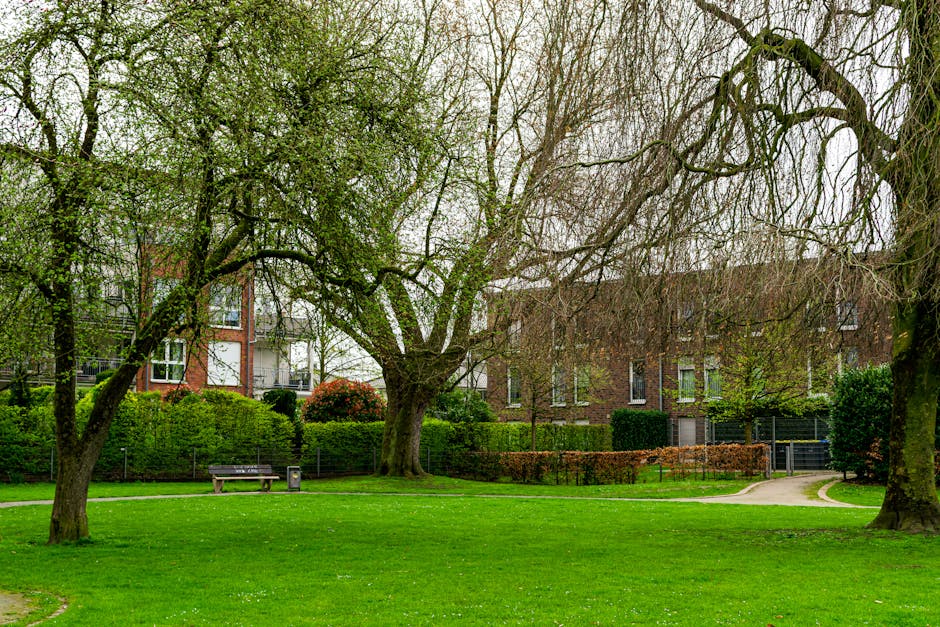
Garden maintenance for Grahame Park Colindale homes

Keeping a garden in good shape sounds simple until real life gets involved. One week it is all tidy borders and clipped hedges; the next, leaves have built up in the corners, the lawn looks tired, and a once-neat front garden feels like it needs a full reset. For Garden maintenance for Grahame Park Colindale homes, the goal is not perfection. It is consistency, practical upkeep, and knowing which jobs keep a space healthy rather than just neat for a day or two.
This guide explains what regular garden maintenance actually involves, why it matters in a busy Colindale setting, and how to approach it sensibly through the seasons. You will also find a checklist, a comparison table, common mistakes to avoid, and a realistic example of how a well-kept garden can be managed without turning every weekend into a chore. Simple enough, really. But there is a bit more to it than a quick mow and a sweep.
Why Garden maintenance for Grahame Park Colindale homes Matters
Grahame Park and the wider Colindale area have a mix of homes, outdoor layouts, and usage patterns. Some gardens are compact and paved with small planted sections. Others have lawns, hedges, side returns, or shared boundaries that quickly become untidy if they are left alone for too long. In a place where outdoor space can be limited, every square metre counts.
Garden maintenance matters because a garden is not just decorative. It affects how your home feels, how easy it is to use, and how much work piles up later. Letting weeds, moss, pruning, and lawn care drift for months usually creates a bigger job than people expect. And to be fair, it always seems to happen when you are already busy with everything else.
There is also a practical side. Overgrown hedges can block light. Poor drainage or debris build-up can make paths slippery. Untrimmed growth near fences or decks can trap moisture and shorten the life of surfaces. If you have timber features or outdoor seating, regular upkeep helps those areas stay usable instead of looking half-forgotten by autumn.
If you are comparing broader service options, it can help to look at the wider services overview and then choose the level of support that actually fits your garden, not somebody else's ideal version of one.
How Garden maintenance for Grahame Park Colindale homes Works
At its core, garden maintenance is a cycle of repeatable tasks. The exact mix depends on the size and condition of the garden, but the usual pattern covers mowing, edging, hedge trimming, border care, weed control, leaf clearance, light pruning, and keeping hard surfaces free of debris.
In practice, maintenance tends to work best when it is done little and often. A short session every one or two weeks often achieves more than a big tidy-up once every few months. Why? Because growth in London gardens can move quickly, especially after mild rain, warm spells, and those oddly changeable weeks where it feels like every plant has decided to grow at once.
Most homes benefit from a simple routine:
- check what has changed since the last visit
- cut back what is getting unruly
- remove waste before it builds up
- keep the lawn healthy and usable
- protect borders, edges, and any hard landscaping
For some properties, maintenance also includes seasonal tasks such as mulching, dividing plants, or a more thorough reset after winter. For others, the real priority is just keeping things tidy, safe, and manageable. That is still maintenance. In fact, that is often the whole point.
When gardens need more than routine upkeep, it can make sense to combine ongoing care with one-off services such as garden clearance, especially if the space has been neglected or has a lot of accumulated waste after a move, tenancy change, or long period away.
Key Benefits and Practical Advantages
A well-maintained garden gives you more than a neat photo for the weekend. It solves everyday annoyances and prevents small issues from turning into larger ones.
1. Better curb appeal and a more settled feel
A tidy front garden changes how a home presents itself immediately. Trimmed edges, healthy planting, and a clean path make the whole place feel looked after. That matters whether you are inviting guests, preparing a property for sale, or just want to come home to something calmer.
2. Less work later on
Regular maintenance stops weeds from seeding, keeps grass at a sensible height, and prevents hedges from becoming awkward to cut. In other words, you trade a small amount of ongoing effort for a much smaller chance of a big, miserable catch-up job later.
3. Healthier plants and lawn areas
Plants and turf usually do better when dead growth, competing weeds, and poor airflow are kept in check. A neglected garden often looks "messy" first, but the real issue is usually health. Once plants start competing for light and space, recovery can be slower than people expect.
4. Better use of outdoor space
If you have children, pets, or just want to sit outside with a tea on a brighter evening, maintenance matters. Clear paths, clipped edges, and decent lawn condition make a garden more usable, not just more attractive.
5. Reduced safety headaches
Overhanging branches, slippery surfaces, broken fencing, and garden clutter can all create avoidable risk. This is especially relevant in compact urban gardens where storage areas and access routes are tight.
Expert summary: The best garden maintenance is usually the kind you hardly notice. It keeps growth under control, protects the garden's structure, and avoids dramatic weekend rescue missions. Calm, consistent, and slightly boring. Which is exactly what you want.
Who This Is For and When It Makes Sense
Garden maintenance is not only for people who love planting and pruning. In Grahame Park Colindale homes, it often suits busy households, landlords, older residents, new movers, and anyone who wants the space to stay functional without constant effort.
It makes sense if:
- your lawn gets patchy or overgrown quickly
- hedges are starting to spill into paths or boundaries
- weeds keep returning between paving slabs
- you do not have the time, tools, or energy for regular upkeep
- you want your garden to look presentable all year, not just in spring
- you are preparing a home for letting, viewings, or a sale
It also makes sense after a larger job. For example, if the garden has been redesigned or refreshed through landscaping or new features such as decking services, routine maintenance helps those improvements keep their shape and finish. Otherwise, the nice new work starts looking older than it should, and that is a shame really.
If you are unsure whether you need full maintenance or just occasional help, the right question is not "Can I do this myself?" It is "Can I keep doing this consistently enough for the garden to stay healthy?" That is a different test.
Step-by-Step Guidance
A practical maintenance plan does not need to be complicated. The aim is to keep the garden moving in the right direction, not to chase some unrealistic magazine look every week.
Step 1: Start with a full visual check
Walk the garden slowly. Look at the lawn, borders, fence lines, paths, shed edges, and any planted beds. You are looking for overgrowth, dead material, weeds, drainage issues, and surfaces that need cleaning. A 10-minute walkaround often tells you more than a rushed hour with a mower.
Step 2: Remove debris first
Clear leaves, twigs, litter, and loose cuttings before cutting or pruning. This gives a cleaner finish and stops debris from getting chopped up or spread around. It also lets you spot hidden problems, such as broken pots, uneven paving, or damage near borders.
Step 3: Tackle the lawn properly
Mow at a sensible height rather than scalping the grass. Cutting too low stresses the lawn and can leave it looking thin. If the grass is long, it is often better to reduce it gradually. Edging the lawn afterwards makes an enormous difference. It is one of those small jobs that somehow makes the whole garden look more intentional.
If lawn care is a major part of the garden, you may want to pair routine visits with dedicated lawn mowing support, especially through peak growth periods.
Step 4: Trim hedges and shrubs with restraint
Light, regular trimming is usually better than waiting until growth is too thick or woody. Hedges are easier to shape when they are maintained little by little. The same applies to shrubs that spill onto walkways or block windows. If branches are becoming awkward, a specialist hedge trimming service can help keep lines neat and growth healthy.
Step 5: Deal with weeds before they settle in
Weeds are much easier to manage when they are young. The key is to prevent repeat growth, not just pull what you can see. That means clearing roots where practical, keeping borders mulched or planted densely, and checking paving joints regularly.
Step 6: Prune carefully and seasonally
Not every plant should be cut at the same time. Some shrubs cope well with a tidy back, while others need a softer hand. If you are unsure, take the lighter option. A bit too little pruning is usually less harmful than taking too much off at once. Plants are surprisingly unforgiving about that.
Step 7: Dispose of waste properly
Garden waste adds up fast. Bags of cuttings, branches, and old plant material can make a neat garden look untidy again within minutes. If the job creates more waste than your own bin system can handle, arranging a proper clearance visit is often the cleanest solution. It saves time, keeps the garden usable, and avoids the "I'll deal with that tomorrow" trap.
Expert Tips for Better Results
Good maintenance is as much about judgement as it is about effort. A few practical habits make a noticeable difference over time.
- Work with the seasons. Spring growth, summer dry spells, and autumn leaf fall all need slightly different routines.
- Keep cuts clean. Ragged pruning can leave plants looking stressed and unbalanced.
- Prioritise access points. Paths, gates, and bin areas should stay clear even when the rest of the garden is busy.
- Don't let edging disappear. A strong edge makes even a simple garden feel cared for.
- Use repetition wisely. Repeating a small, manageable routine is better than starting from scratch every few months.
One thing experienced gardeners notice quickly: neglected corners tend to keep becoming neglected corners. Sounds obvious, but it is true. If a side passage, fence line, or rear edge always gets skipped, that is where trouble gathers first. A small corrective habit saves a lot of hassle.
If trees are part of the picture, especially where branches are encroaching on structures or blocking light, a careful review of tree lopping and removal may be the right next step. Not every tree needs removing, of course. Sometimes all it needs is sensible management.
Common Mistakes to Avoid
Even well-meaning homeowners run into the same problems. Most are avoidable with a bit of pacing.
Leaving everything until it looks bad
This is the classic one. A garden can appear "fine" for a while, then suddenly it is not. By the time you notice weeds everywhere and the hedge is swallowing the path, the job has become much bigger.
Cutting too much at once
Over-pruning, especially on hedges and shrubs, can leave bare patches or weak regrowth. Less is often more. It may not feel dramatic in the moment, but it usually gives better long-term results.
Ignoring waste and debris
Cutting is only half the job. If clippings sit around, they smother grass and make borders look messy again almost immediately. That bit gets forgotten surprisingly often.
Using the wrong approach for the surface
Paved areas, gravel, lawns, and planted beds all need different treatment. A one-size-fits-all method can damage plants or create avoidable mess.
Forgetting the edges and finishes
You can mow a lawn and still end up with a garden that feels unfinished. Edges, borders, and access routes are the details people notice without always realising why.
Trying to handle every task alone
Sometimes a garden needs more than a tidy-up. If the work is getting unsafe, too time-consuming, or beyond your equipment, bringing in support is the sensible move. No medals are handed out for struggling with a hedge you can barely reach.
Tools, Resources and Recommendations
You do not need a shed full of specialist gear to keep a garden in good condition. A focused set of tools usually works better than an overcomplicated setup collecting dust.
| Task | Useful tool or approach | Why it helps |
|---|---|---|
| Lawn care | Reliable mower, edging tool | Keeps grass tidy and stops the lawn from merging into borders |
| Hedges and shrubs | Hand pruners, hedge trimmer | Supports clean shaping and prevents overgrowth |
| Weed control | Weeding fork, hand trowel, mulch | Helps remove weeds properly and reduce regrowth |
| Leaf and debris clearance | Rake, broom, garden sacks | Keeps surfaces clear and easier to maintain |
| Heavy reset work | Professional clearance support | Useful when waste volume or access makes the job awkward |
For homeowners who prefer occasional professional help, it can be useful to check practical service information such as pricing and quotes before planning the scope of work. That gives you a clearer idea of what level of assistance fits the garden's condition and your budget.
It is also sensible to think about how waste will be handled. A provider that takes recycling and sustainability seriously can help reduce unnecessary landfill use and keep the job more responsible. Small detail, but a good one.
Law, Compliance, Standards, or Best Practice
For most homeowners, garden maintenance is mainly a practical matter rather than a legal one. Still, there are a few sensible standards to keep in mind.
Safety first. If a task involves ladders, power tools, heavy branches, or awkward access, it should be approached cautiously. A neat garden is not worth a preventable accident. Responsible providers should also carry suitable insurance and safety arrangements and work to clear risk-aware practices.
Waste handling. Garden waste should be managed properly, especially if it includes branches, soil, or mixed debris. Good practice is to separate what can be recycled or repurposed where possible, and to avoid leaving waste in public-facing areas longer than necessary.
Neighbour and boundary care. In dense residential streets, hedge lines, overhanging branches, and fence boundaries can cause friction if they are neglected. A little routine attention prevents unnecessary disputes. Not glamorous, but very real.
Access and usability. Paths, entrances, and shared spaces should remain clear. If a garden feature creates trip hazards or blocks movement, it should be addressed promptly. That is just common sense, really.
For homeowners who want reassurance about how a company works, it can also be worth reading pages like health and safety policy, terms and conditions, and about us before booking any ongoing service. It helps set expectations properly.
Options, Methods, or Comparison Table
There is more than one way to keep a garden in shape. The right method depends on time, budget, and how demanding the space is.
| Approach | Best for | Pros | Trade-offs |
|---|---|---|---|
| DIY upkeep | Small, simple gardens with light growth | Low direct cost, full control | Takes time, tools, and regular effort |
| Occasional tidy-ups | Gardens that only need seasonal attention | Good for resets and one-off catch-up work | Problems can return between visits |
| Regular professional maintenance | Busy households, rental homes, or faster-growing gardens | Consistent finish, less stress, better long-term control | Ongoing cost, though often easier to plan |
| Combined approach | Homes wanting flexibility | Some tasks handled personally, heavier work outsourced | Needs clear planning so nothing gets missed |
If a garden has features beyond planting, such as patios, raised areas, or timber structures, a blend of maintenance and occasional improvements may be better. In some cases, support from landscape gardening or landscaping can improve the structure of the space so it is easier to maintain in the first place.
Case Study or Real-World Example
Imagine a typical Grahame Park home with a modest back garden: a lawn, a narrow side path, a hedge at the rear, and a few beds along the fence. Nothing grand. Nothing impossible either. Over six months, the lawn gets patchy around the edges, weeds start slipping into paving joints, and the hedge begins to shade out a small seating corner.
The turning point is usually not dramatic. Maybe a neighbour mentions the hedge. Maybe the owner notices the path looking dirty after a wet week. Or maybe they simply realise the garden is no longer somewhere they want to sit with a coffee in the evening.
A sensible maintenance plan would start with a reset: clear debris, reduce the hedge lightly, restore lawn edges, remove weeds, and tidy the borders. After that, smaller repeat visits every couple of weeks keep the garden stable. The difference is not just visual. The space becomes easier to use, quicker to clean, and less mentally "loud" every time the back door opens.
That is the real gain. Not a showpiece garden, just a manageable one. Truth be told, most people are happier with that than with an over-styled space that is exhausting to maintain.
Practical Checklist
Use this checklist to keep your garden on track between visits or seasons.
- Check lawn height and mow before it gets too long
- Trim edges so the garden looks finished
- Remove weeds from borders and paving joints
- Clear leaves, sticks, and other debris
- Lightly prune hedges and shrubs where needed
- Inspect paths for slippery buildup or trip hazards
- Keep access routes and gate openings clear
- Look for signs of stress in plants, grass, or soil
- Manage waste properly so cuttings do not linger
- Review whether any task is getting too big for DIY care
If you only do three things this week, do these: clear debris, sort the lawn edge, and check the hedge line. Those three alone can change how the whole garden feels.
And if you know the garden needs a fuller reset, it is worth stepping back rather than fighting it in fragments. Sometimes a proper clean-up sets you up for months of easier upkeep.
Get a free quote today and see how much you can save.
Conclusion
Garden maintenance for Grahame Park Colindale homes is really about keeping outdoor space usable, healthy, and pleasantly low-stress. The best gardens are rarely the ones that look perfect all the time. They are the ones that are looked after often enough that nothing has a chance to spiral.
If you want a garden that feels calmer to live with, start with the basics and keep the routine realistic. Small jobs done regularly beat heroic clear-ups every time. That is the quiet truth of it.
Whether you are managing a compact courtyard, a family lawn, or a boundary-heavy urban garden, thoughtful maintenance protects your time, your space, and your peace of mind. And that, honestly, is worth a lot on an ordinary Tuesday morning.
Frequently Asked Questions
How often should garden maintenance be done for a home in Grahame Park Colindale?
Most gardens benefit from light maintenance every one to two weeks during the growing season, with seasonal adjustments in autumn and winter. The right frequency depends on lawn growth, hedge size, and how much the space is used.
What does regular garden maintenance usually include?
Typical maintenance includes lawn mowing, edging, hedge trimming, weeding, leaf clearance, light pruning, and keeping paths and borders tidy. Some homes also need waste removal or seasonal plant care.
Is garden maintenance different from garden clearance?
Yes. Maintenance is ongoing upkeep to keep a garden in good condition, while garden clearance is usually a larger one-off job for overgrown, cluttered, or neglected spaces.
Can I manage garden maintenance myself?
If the garden is small and straightforward, DIY care can work well. But if you are short on time, the garden grows quickly, or heavier work keeps building up, professional help may be the more practical option.
What is the best time of year to tidy a garden in Colindale?
Spring is ideal for a reset, summer often needs more frequent mowing and edging, and autumn is important for leaves and general clean-up. In truth, the best time is before the garden starts looking stressed.
How do I keep hedges under control without overcutting them?
Trim a little and often rather than waiting for a heavy cutback. If a hedge is dense or tall, light regular shaping is safer than removing too much at once. That helps keep the plant healthy and manageable.
What should I do if my lawn has become patchy or uneven?
Start by checking whether the problem is caused by shade, compaction, poor drainage, or long-term neglect. Regular mowing, edging, and feeding may help, but badly damaged lawns sometimes need more targeted restoration.
Do I need professional help for a small garden?
Not always. But even a small garden can become time-consuming if it has fast growth, awkward access, or lots of hard surfaces that need cleaning. Small does not always mean simple.
How can I tell if a garden needs a full reset rather than routine care?
If weeds are widespread, paths are cluttered, hedges are overgrown, or the lawn is struggling badly, the garden may need a clearance or restoration-style visit before regular maintenance can work properly again.
What should I look for in a garden maintenance service?
Look for clear communication, sensible safety practices, appropriate insurance, and a service that matches the actual condition of your garden. Transparent pricing and a straightforward scope of work are also good signs.
Does garden maintenance include waste removal?
It often can, but not always as standard. It is best to confirm whether clippings, branches, and other waste will be taken away or left for local disposal arrangements.
Why is garden maintenance especially useful for homes in an urban area like Grahame Park?
Urban gardens often need to work harder. Space is tighter, boundaries are more visible, and untidy growth stands out quickly. Regular maintenance helps keep the garden pleasant, safe, and easy to use without constant catch-up work.